 loading

FindingsNoted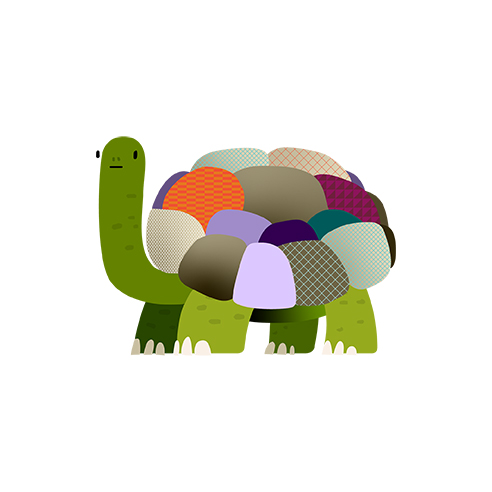 Alex Eben MeyerView full imageUsing previously unavailable tools, a team co-led by a Yale researcher has reconstructed the genetic relationships of two extinct Galapagos giant tortoises. Because genetic material degrades over time, obtaining information from ancient DNA is a challenge for researchers studying extinct species and trying to establish relationships between populations. For this study, researchers extracted DNA from museum specimens, then combined the recovered genetic information and superimposed it onto a reference phylogenetic tree (a diagram that maps evolutionary relationships). Their approach, combining powerful computing tools, identified specimens from extinct San Cristóbal and Santa Fe island lineages. Connecting these extinct populations with tortoises alive today could have implications for conservation efforts throughout the Galapagos archipelago, and tools developed could be applied to other wildlife conservation efforts.
|

|

 Print
 Email